Menu
Call This Tuesday to Get $50 Off
Do You Need a Plumber in Dallas, TX? Call us Now to Get $50 OFF
4.8 / 5 Ratings based on 1384 reviews Great Plumbers, Great Reviews

Call This Tuesday to Get $50 Off

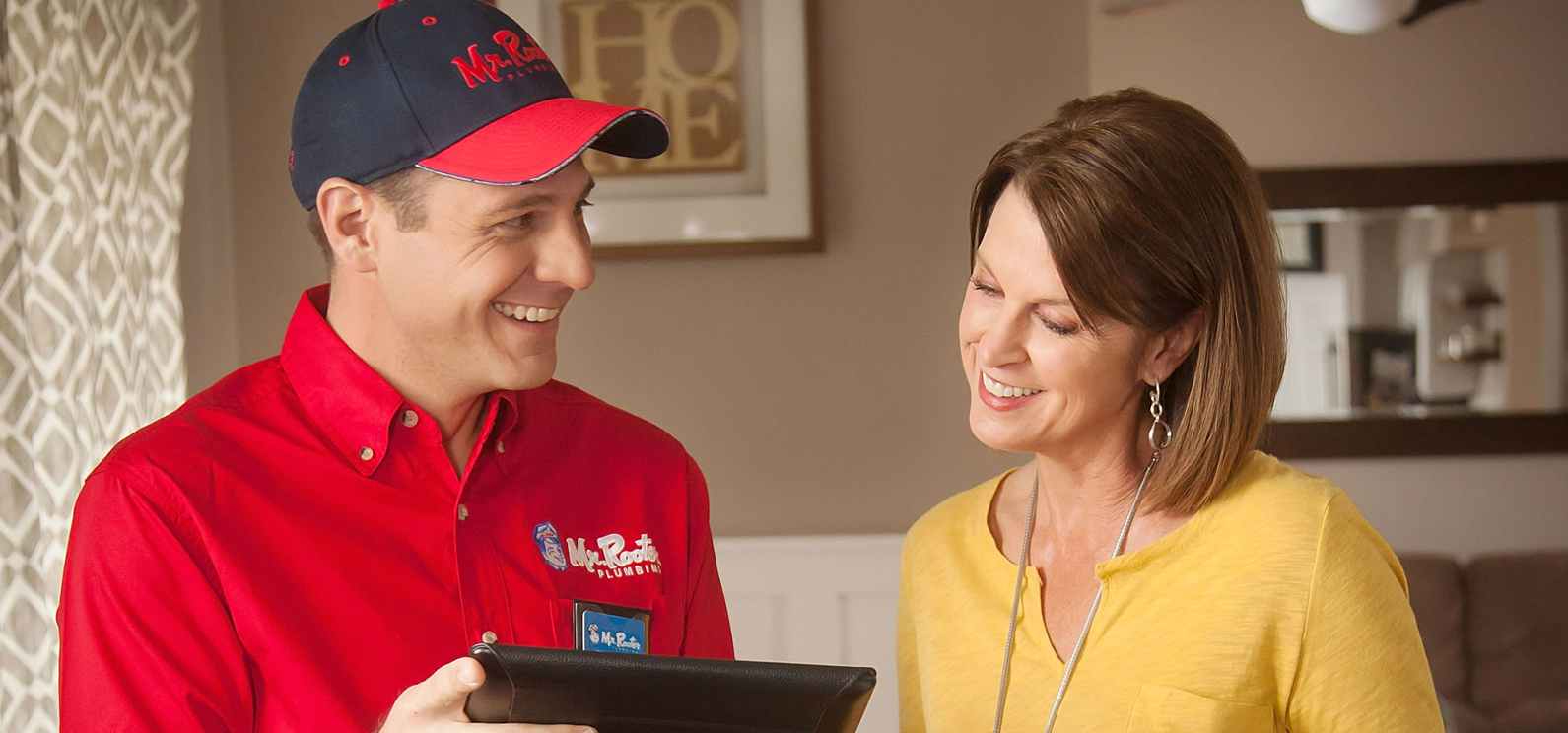
Small leaks don't stay small. What starts as a few drops behind a wall or under a slab can grow into structural damage, mold problems, and repair bills that climb into the thousands. At Mr. Rooter Plumbing, we've seen what happens when leaks go undetected for months or years, and we've also seen how different the outcome looks when homeowners catch them early. Professional leak detection stops damage in its tracks before it spreads. Keep reading to learn about the specific repairs that early detection helps you avoid and why waiting until you see visible damage always costs more.
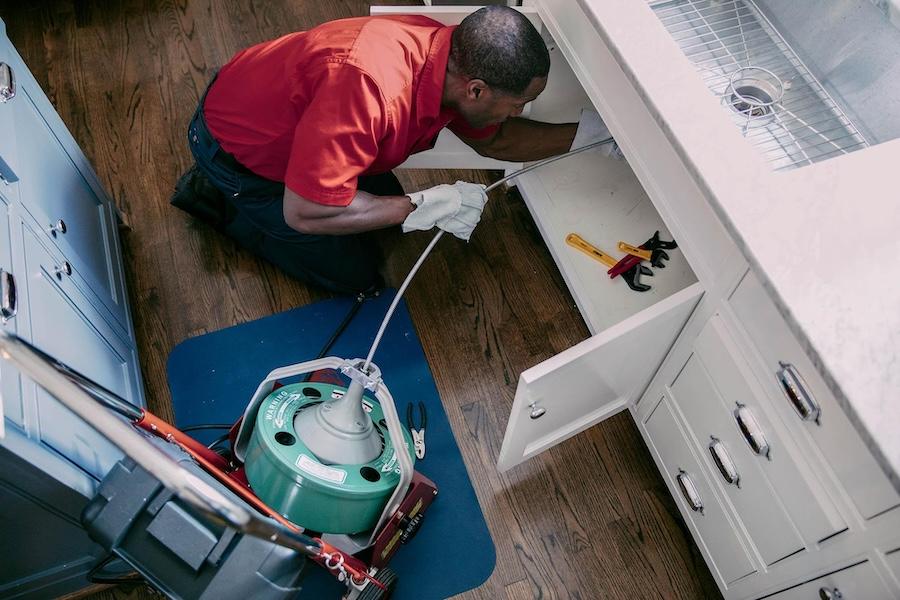
Water travels. A leak at one point in your plumbing system rarely stays contained to that single location. Instead, water follows gravity and the path of least resistance through framing, insulation, and flooring materials. By the time you spot a water stain on your ceiling or notice a soft spot in your floor, the leak has already spread far beyond its source. The visible damage represents just a fraction of what's happening inside your walls, under your floors, or beneath your foundation. Wood framing absorbs moisture and begins to weaken within days of consistent exposure. Insulation loses its thermal properties when wet and becomes a breeding ground for biological growth. Your subfloor can warp and delaminate before you notice a problem. A plumber in Carrollton, TX with the right diagnostic equipment can trace moisture patterns back to the source and identify every affected area. It prevents a scenario where you fix one problem only to discover additional damage weeks later. The hidden nature of most residential leaks means early intervention saves thousands in secondary repairs.
Mold colonies can establish themselves within 24 to 48 hours of water exposure in the right conditions. Dark, enclosed wall cavities provide ideal growing environments with consistent humidity and organic materials to feed on. Paper backing on drywall, wood studs, and dust accumulation all serve as nutrient sources for mold spores that exist naturally in every home. Once a colony takes hold, it spreads through the release of additional spores into your air supply. Professional mold remediation costs between $1,500 and $9,000, depending on the extent of contamination and the areas affected. Severe cases require the removal of drywall, insulation, and sometimes structural framing. Mold creates health concerns for household members with respiratory sensitivities or compromised immune systems. Rot soon follows. Wood structural components lose their load-bearing capacity as decay fungi break down cellulose fibers. A floor joist or wall stud that has been wet for several months may look intact from the outside, but crumble when touched. Replacing rotted framing requires opening walls, installing temporary supports, and rebuilding sections of your home's structure. A single supply line leak behind a bathroom wall can trigger this entire cascade of damage if left ignored for too long.
Homes built on concrete slab foundations have water supply and drain lines running beneath or through the concrete. These pipes face stresses from soil movement, concrete curing, and chemical interactions with surrounding materials. When a pipe beneath your slab develops a leak, water saturates the soil underneath your foundation. Expansive clay soils swell when wet and shrink when dry. This cycle creates uneven pressure against the bottom of your slab. Cracks form in the concrete. Interior walls develop diagonal fractures at door and window corners. Doors stick in their frames. Floors slope noticeably from one side of a room to the other. Foundation repairs rank among the most expensive projects, with costs ranging from $5,000 for minor crack injection to $25,000 or more for pier installation and structural leveling. A plumbing repair service that specializes in leak detection uses acoustic sensors, thermal imaging, and pressure testing to locate slab leaks without exploratory demolition. Pinpointing the exact location means repair crews cut only the concrete necessary for access rather than jackhammering large sections of your floor. The difference between a located slab leak and a general "somewhere under here" diagnosis translates to thousands in concrete removal and replacement costs.
The math on leak detection versus emergency repairs favors prevention. A professional inspection usually costs between $150 and $500, depending on your home's size and the technology required. Compare that figure to common leak-related repairs. Drywall replacement runs $300 to $800 per affected area after you factor in labor, materials, texturing, and paint matching. Subfloor replacement costs $500 to $1,500 per section. Mold remediation starts at $1,500. A single slab leak left for six months can generate a repair bill exceeding $15,000 when you combine pipe repair, concrete work, flooring replacement, and foundation stabilization. Homeowners' insurance policies cover sudden and accidental water damage but exclude damage resulting from ongoing maintenance issues. An insurance adjuster who finds evidence of long-term leaking can deny your claim and leave you responsible for the full repair cost. A plumbing repair service that documents the condition of your system creates a record showing you maintained your home responsibly. Annual or biannual inspections demonstrate due diligence and protect your coverage eligibility. The investment in routine leak detection pays for itself many times over through avoided repairs and preserved insurance protection.
Water damage compounds over time. Every day a leak continues, it affects more materials and creates additional repairs. Mr. Rooter Plumbing provides leak detection services using professional-grade equipment to locate hidden moisture throughout your home. Our technicians identify current leaks and inspect your plumbing system for early warning signs of future failures. Contact us to schedule an appointment and stop water damage before it starts.
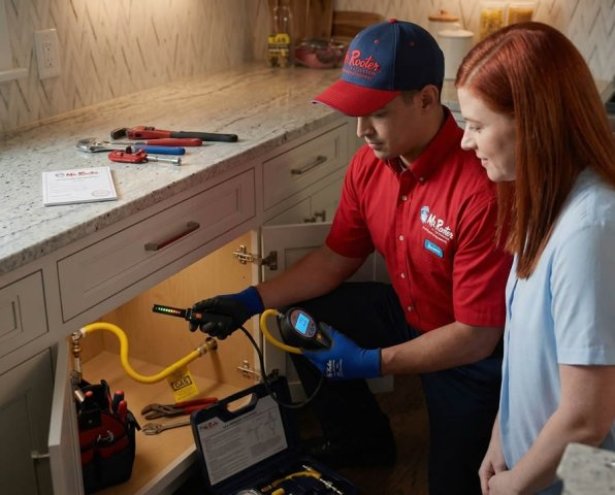
Most homeowners have no framework for recognizing underground gas line damage until conditions have already…
Read More+
Stepping onto a warm patch of floor on a cold morning might seem like a…
Read More+
Underground pipes spend decades under pressure, shifting soil, root systems, and corrosive conditions that never…
Read More+
If your basement takes on water after heavy rain, it can quickly lead to mold,…
Read More+