Menu
Call This Thursday to Get $50 Off
Do You Need a Plumber in Dallas, TX? Call us Now to Get $50 OFF
4.8 / 5 Ratings based on 1384 reviews Great Plumbers, Great Reviews

Call This Thursday to Get $50 Off


Standing in the hardware store aisle looking for toilet repair kits is a situation most homeowners find themselves in at least once. They're affordable, and sometimes they work great. Mr. Rooter Plumbing gets calls regularly from homeowners who tried the kit route and ended up needing professional help anyway. Read more to find out how to tell the difference and what determines whether a repair kit will solve your problem or just delay the inevitable.
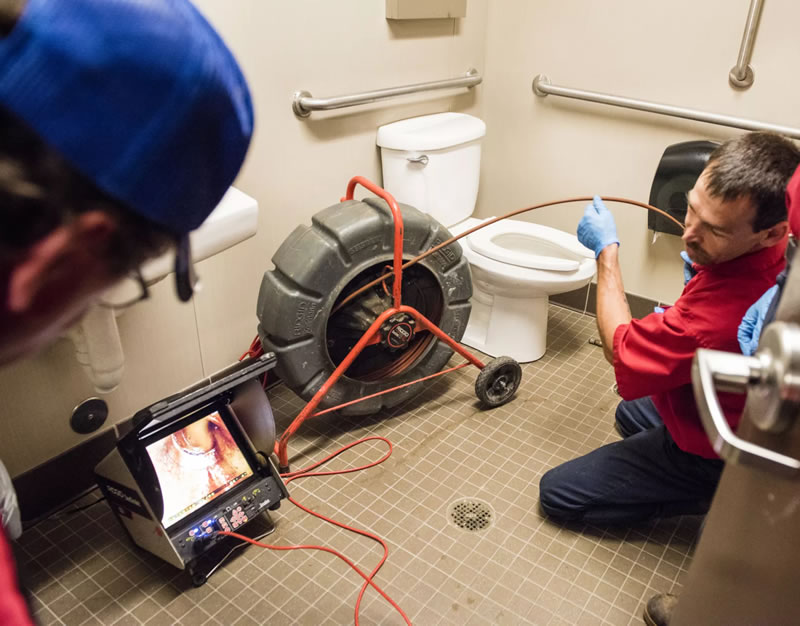
Most toilet repair kits target the tank. A standard kit comes with a fill valve, a flapper, and sometimes a flush valve seat or handle hardware. Some complete kits include everything inside the tank and are marketed as a full internal rebuild. That sounds comprehensive, and for certain problems, it is.
These kits work best when the issue is mechanical and confined to the tank's fill or flush cycle. A running toilet that's caused by a worn flapper is a textbook kit repair. So is a fill valve that won't shut off, which results in water trickling into the bowl long after a flush. The parts are universal enough to fit most standard two-piece toilets. The installation is tool-minimal, and a repair completed correctly will hold for years.
However, kits don't help with anything structural, like issues below the tank, or problems in the drain line. A kit won't fix a cracked porcelain bowl, a failing wax ring, or a slow flush caused by a clogged trap. Knowing what's in the box helps you decide if it's worth buying.
Before spending money on parts, spend five minutes observing the toilet. A running toilet almost always points to the flapper or fill valve. Put a few drops of food coloring inside the tank and wait ten minutes without flushing. If color appears in the bowl, the flapper isn't sealing. That's a kit-appropriate repair.
If the toilet rocks when you sit on it, the floor flange or wax ring may be compromised. If water pools at the base after flushing, the wax seal has likely failed. Both of those require more than a quick hardware store trip. A plumber in Carrollton, TX should inspect those situations before water damage works into the subfloor.
A weak or incomplete flush points to the flush valve, jet holes under the rim, or a partial clog in the trap. Jet holes can be cleared with a small wire brush, a mirror, and a pick. A trap clog may respond to a toilet auger. If neither fixes it, that's when a plumbing repair service can scope the drain and find out what's blocking the flow.
Repair kits bundle parts together for convenience, but you're paying for every component whether you need it or not. If your toilet runs because the flapper is visibly warped or coated in mineral buildup, buying a single replacement flapper costs two or three dollars and solves the problem in under ten minutes. Buying a full kit wastes money and leaves you with unused hardware. Individual part replacement makes the most sense when:
The kit earns its value when multiple components are showing wear at the same time. A toilet that runs intermittently, fills slowly, and has a handle that sticks is probably due for a full internal rebuild. In that case, the bundled kit is the economical choice. Replacing each part separately would cost more and require multiple store trips.
A repair kit gives you some mechanical parts, but a dependable plumber can take care of the whole system. Professional toilet repairs cover wax ring replacement, flange repair, supply line leaks, internal cracks, and any issue where the toilet must be pulled from the floor. They also cover diagnostic work that isn't visible from the surface. A slow drain that seems like a flapper issue can trace back to a partial blockage further down the line. Replacing internal tank parts won't fix that, and the homeowner won't know until they've already spent time and money on a kit.
A plumbing repair service also carries torque tools, proper wax ring sizes for non-standard flanges, and the experience to recognize when a toilet is at the end of its useful life. Catching problems early prevents water damage, mold, and more expensive structural repairs down the road.
Toilet repairs make sense when the porcelain is intact, the flange is solid, and the toilet is under fifteen years old. Parts are cheap, labor is relatively quick, and a well-maintained toilet can last for decades. If a single plumber visit resolves the issue completely, that's less expensive than purchasing and installing a new unit.
Replacement becomes the better option when repairs stack up. A toilet that's needed two or three service calls in two years, has visible cracks in the porcelain, or uses more water per flush than current low-flow models, is costing more to maintain than it would cost to replace. Current WaterSense-certified toilets use 1.28 gallons per flush compared to older models that use three and a half or more. The water savings alone can justify the upgrade within a few years.
Age matters, but condition is more important. A ten-year-old toilet with a single failed fill valve can still run reliably after a simple repair. A five-year-old toilet with a cracked tank has to be replaced regardless. Evaluate the whole unit, not just the part that failed most recently.
If your toilet is running, leaking, or flushing poorly and you're not sure whether a kit will cut it, Mr. Rooter Plumbing can diagnose the problem and give you an honest answer before you spend money on parts. Our team handles everything from basic toilet repairs to full replacements, and we'll tell you what the toilet needs. Call us to schedule a service visit and get the repair done right the first time.
If your basement takes on water after heavy rain, it can quickly lead to mold,…
Read More+
Kitchen cleanup moves faster when everything under the sink is working the way it should.…
Read More+
Pictures and descriptions only go so far, but real results from
Read More+
Pictures and descriptions only go so far, but real results from
Read More+