Menu
Call This Thursday to Get $50 Off
Do You Need a Plumber in Dallas, TX? Call us Now to Get $50 OFF
4.8 / 5 Ratings based on 1384 reviews Great Plumbers, Great Reviews

Call This Thursday to Get $50 Off


Is sewage coming up through your drains and spreading across your floors? That's the kind of household emergency that triggers instant panic. The smell usually hits you first, then reality sets in. You can't just plunge the clog away this time. Every minute you stand there trying to figure out what to do, the damage keeps spreading. Mr. Rooter Plumbing takes these calls at all hours because we know that when your sewer backs up into your home, you're dealing with a health hazard that demands immediate action. Raw sewage carries bacteria, viruses, and parasites that can make your family seriously ill, and the contaminated water seeps into flooring, drywall, and anywhere else it can reach while you're scrambling for a solution. Thankfully, how you respond in the first moments can reduce the damage and make the cleanup and repair process more manageable. We're going to walk you through exactly what to do if this nightmare scenario happens, from the first safety steps to the professional remediation process, so you're prepared.
Your first job is getting everyone away from the contaminated water. Move all family members and pets out of the affected area immediately. Raw sewage contains E. coli, Salmonella, hepatitis A, and other dangerous pathogens that cause severe illness through skin contact or inhalation. Children, elderly family members, and anyone with a compromised immune system face the highest risk from exposure. If the backup is limited to one bathroom, close the door and stuff towels under the gap to contain the spread. Open windows in nearby rooms to ventilate the space, but don't run your HVAC system because circulating air will push bacteria throughout your home. Next, locate your main water shutoff valve and turn it off. This stops additional water from feeding into your system and prevents the backup from worsening. Your shutoff valve sits near the water meter, usually in your basement, crawl space, or along the exterior wall of your home. If sewage has spread near electrical outlets, appliances, or your breaker panel, do not wade through it. Call your utility company or an electrician to disconnect power safely. Water and electricity create a fatal combination, and the risk isn't worth taking even if you believe you can avoid the wet spots. Once you've shut off the water and secured the area, call a reliable plumber who can provide help for emergency sewer backups right away.
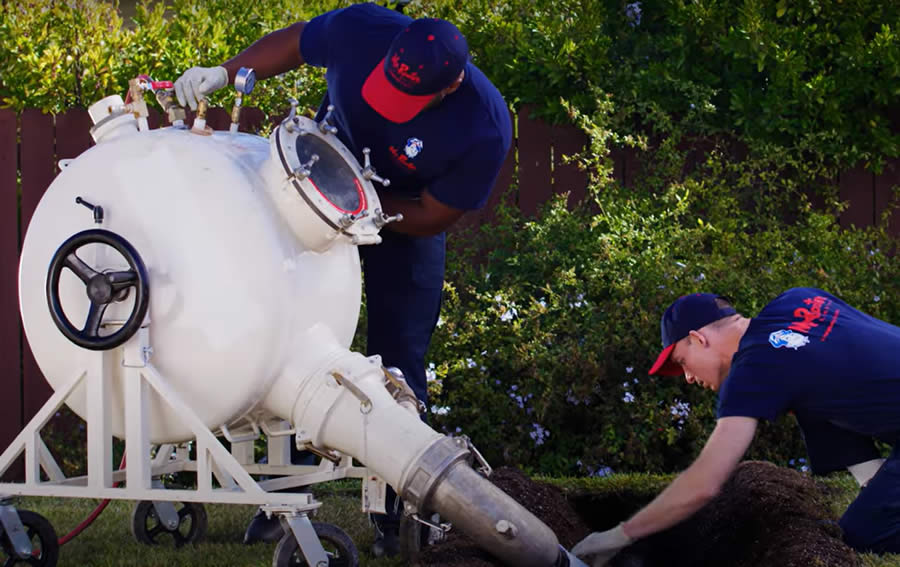
Many homeowners assume that once the blockage clears, they can mop up the mess and move on with their lives. This creates serious problems weeks or months later. Sewage water is classified as Category 3 or "black water" by the Institute of Inspection, Cleaning and Restoration Certification, meaning it contains contaminants that require specialized removal techniques. A professional remediation crew will first extract all standing water using industrial pumps and wet vacuums designed for hazardous materials. They'll then remove porous materials the sewage contacted, like carpet, padding, drywall up to at least a foot above the water line, and any insulation in the affected area. After removal, technicians apply antimicrobial treatments to all exposed surfaces and run air scrubbers to eliminate airborne particles. Depending on the extent of the damage, professional drying takes three to five days with commercial dehumidifiers running around the clock. Cutting this phase short leads to mold growth behind walls, under floors, and in other concealed spaces where you won't notice it until the problem becomes severe. A reputable plumbing repair service will either handle remediation directly or coordinate with restoration specialists who work alongside their technicians. The actual sewer repair in Cedar Hill, TX happens during or after remediation. Crews use camera inspections to pinpoint the cause of the backup, whether tree root intrusion, a collapsed pipe section, grease accumulation, or a foreign object lodged in the line. Modern trenchless pipe lining can restore damaged sewers without excavating your yard.
Before anyone touches a mop or discards a single item, pull out your phone and document everything. Take photos and videos of the affected areas from multiple angles. Capture the water level marked on walls, the condition of the flooring, and every possession the sewage reached. This visual record becomes your primary evidence when you file your insurance claim. Contact your insurance company as soon as you've secured the area and confirmed everyone's safety. Most policies impose strict timelines for reporting damage, and waiting too long can void your claim or reduce your payout. Ask your adjuster specifically what your policy covers for sewer backups because many standard homeowner policies exclude this type of damage unless you purchased additional sewer or drain coverage as a rider. Write down the name of every representative you speak with, the date and time of each call, and exactly what they tell you. Keep all receipts from emergency plumbing repair service calls, remediation work, hotel stays if your home becomes uninhabitable, and replacement items you need to purchase. Your insurance company will ask for itemized proof of every expense before issuing reimbursement. When they send an adjuster to inspect the damage in person, have your photos and videos ready.
Once a sewer backup disrupts your home, you'll want to take concrete steps to prevent it from happening again. Start with an annual camera inspection of your sewer lateral. A plumber can send a fiber optic camera down the line and identify tree roots, bellied sections where the pipe has sagged, or debris accumulating before these issues cause a complete blockage. This inspection costs a fraction of emergency repairs and gives you advance warning of developing problems while they're still manageable. Install a backwater prevention valve if your municipality permits it. This device allows wastewater to flow out of your home normally, but closes automatically if sewage tries to flow backward into your drains. Backwater valves are valuable in areas where heavy rainstorms overwhelm municipal systems and cause widespread neighborhood backups. Check with your local permitting office about requirements and proper installation specifications. Finally, watch what goes down your drains every day. Grease belongs in the trash, not your kitchen sink. The same goes for coffee grounds, eggshells, and fibrous vegetable scraps. In bathrooms, flush only toilet paper. Wipes labeled "flushable," cotton swabs, dental floss, and feminine products do not break down in sewer lines and contribute to blockages. Treating your drains with care is one of the simplest ways to protect your plumbing system and avoid another emergency.
Sewer backups demand fast decisions and the right professional help. Don't try handling contaminated water yourself without proper protection and equipment. It's not worth the risk. Call Mr. Rooter Plumbing now for emergency sewer repair.
Stepping onto a warm patch of floor on a cold morning might seem like a…
Read More+
Underground pipes spend decades under pressure, shifting soil, root systems, and corrosive conditions that never…
Read More+
If your basement takes on water after heavy rain, it can quickly lead to mold,…
Read More+
Kitchen cleanup moves faster when everything under the sink is working the way it should.…
Read More+