Menu
Call This Saturday to Get $50 Off
Do You Need a Plumber in Dallas, TX? Call us Now to Get $50 OFF
4.8 / 5 Ratings based on 1384 reviews Great Plumbers, Great Reviews

Call This Saturday to Get $50 Off


When their toilet fails, people might assume the repair is easy. They grab a wrench, watch a YouTube video, and think they're ready for the job. But that's exactly why so many DIY attempts end up making the problem worse. The mechanics inside that tank have changed a lot over the years. What works on one model can crack the porcelain or ruin the seal on another. Mr. Rooter Plumbing is here to help. Keep reading to find out what experienced plumbers catch that others miss and why the learning curve on toilet work is steeper than most people assume.
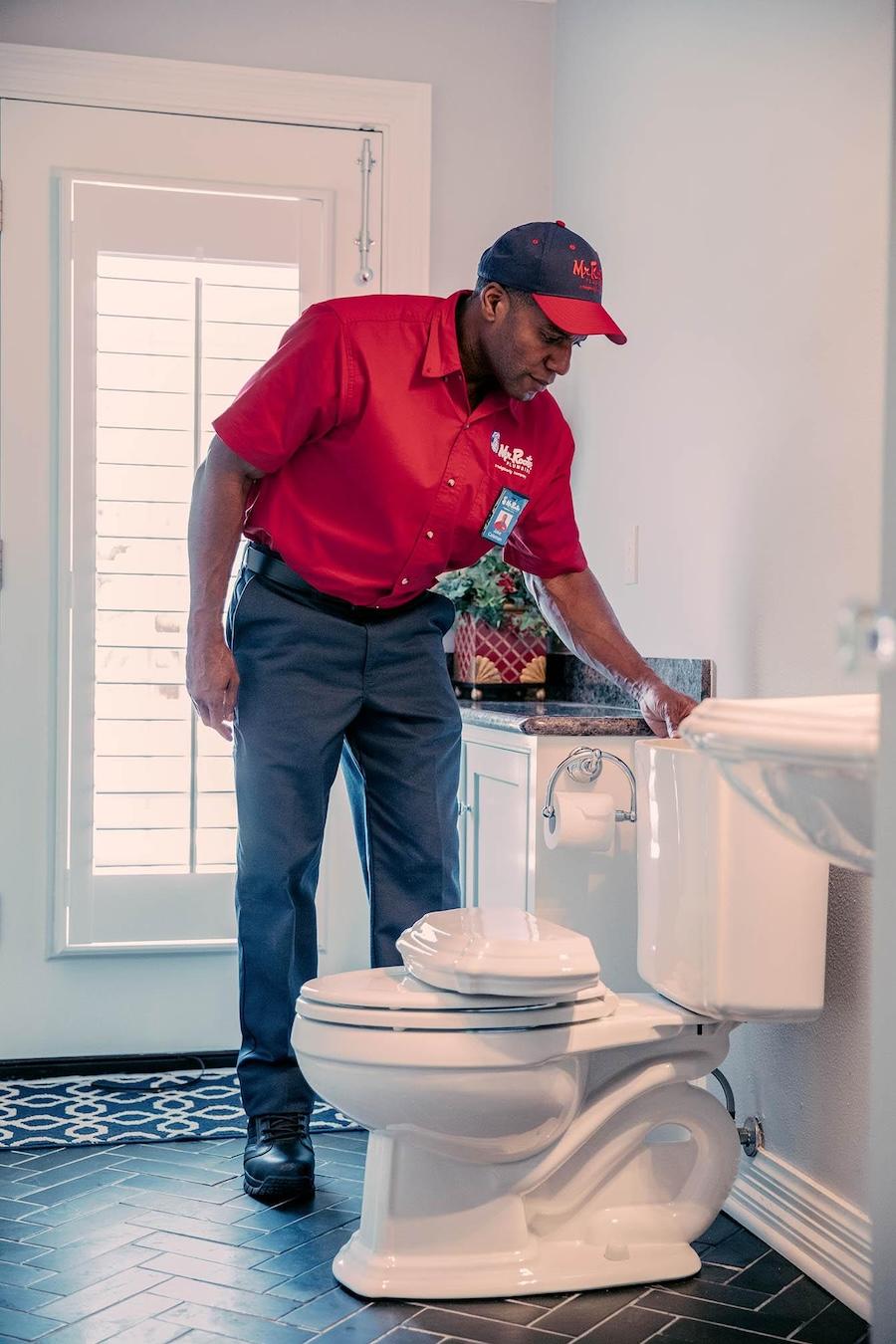
A toilet installed in 1985 operates on completely different principles than one manufactured last year. Older models used 3.5 to 7 gallons per flush and relied on gravity and sheer water volume to clear the bowl. The 1992 Energy Policy Act changed everything by mandating 1.6-gallon tanks, and manufacturers scrambled to redesign their flush mechanisms. Early low-flow toilets earned a terrible reputation because they couldn't move waste effectively with less water. Companies responded with pressure-assisted systems, dual flush valves, and tower-style flappers that bear almost no resemblance to the rubber flaps from decades past. A plumber in Mckinney, TX who learned the trade in the 1990s and stopped paying attention would be lost inside a modern Kohler or TOTO tank. The reverse is also true. Younger technicians who trained on contemporary toilets don't always recognize the ball cock assemblies and brass float arms in vintage American Standard units. Each generation of toilet demands specific knowledge about water pressure requirements, tank geometry, and part compatibility. When someone treats all toilets the same, they end up forcing parts that don't fit or adjusting mechanisms that need replacement instead of calibration.
The wax ring sits between the toilet base and the floor flange, and its only job is creating a watertight seal that keeps sewer gas and wastewater from escaping. Flange height matters enormously. A flange sitting more than a quarter inch below the finished floor needs an extra-thick wax ring or a stacked configuration. A flange positioned too high prevents the toilet from sitting flat and causes the wax to compress unevenly. Inexperienced installers sometimes skip measuring altogether and grab a standard ring off the shelf. The toilet might not leak for weeks or months, but eventually the compromised seal will fail. Water damage to subfloors can cost thousands in repairs, and sewer gas contains methane and hydrogen sulfide that create health hazards. A quality plumbing repair service checks flange condition, measures height relative to the floor surface, inspects the horn on the toilet base for cracks, and selects the correct ring style before setting anything in place. We also rock the toilet gently after installation to verify that the seal compressed evenly. Skipping any of these steps invites callbacks and water damage.
Vitreous china becomes more brittle as it ages. A toilet manufactured in 1970 has spent fifty-plus years expanding and contracting through temperature cycles, and microfractures invisible to the naked eye can spread through the material. Overtightening a single bolt on an older tank can split the porcelain in half. The tank-to-bowl bolts on vintage toilets require particular care because the rubber washers underneath have usually hardened and lost their cushioning ability. Cranking down on those bolts to stop a leak just transfers force. Experienced technicians recognize the warning signs of compromised porcelain before they start working. Hairline cracks near bolt holes, discoloration around the base, and a hollow sound when tapped all indicate a toilet that needs gentle handling or outright replacement. A plumbing repair service focused on speed rather than quality will break more toilets than it fixes. Our team evaluates age and condition before selecting tools and techniques. Some repairs require hand tightening only, and others demand we replace hardware entirely.
Not every toilet should be saved. The math changes when the repair bill approaches replacement costs or when underlying problems guarantee repeated failures. A toilet with a cracked trapway will never flush correctly, no matter how many times you rebuild the tank internals. Bowls that have lost their glazing inside the rim jets develop mineral buildup that no amount of cleaning can remove, and weak flushes become permanent. We also consider parts availability. Manufacturers discontinue toilet repair parts for older models, and generic replacements rarely perform as well as OEM components. A fill valve designed for a different tank might technically fit, but it will cycle constantly or produce water hammer. A plumber evaluates total repair costs against the price of a new toilet with modern water efficiency. A customer could end up spending $300 on parts and labor for a twenty-year-old toilet when $400 buys a new unit with a ten-year warranty. We show customers the numbers and let them decide rather than pushing unnecessary toilet repairs or replacing fixtures that have years of life remaining.
Every toilet repair in Mckinney, TX involves decisions that determine whether the fix lasts a decade or fails within a year. Wax ring selection, bolt torque, part compatibility, and porcelain condition all require evaluation before anyone picks up a wrench. Call Mr. Rooter Plumbing to schedule your service with a plumber who understands the differences between toilet generations. We know when replacement makes more financial sense than repair. And we've built our reputation on honest assessments, quality workmanship, and fixes that last.
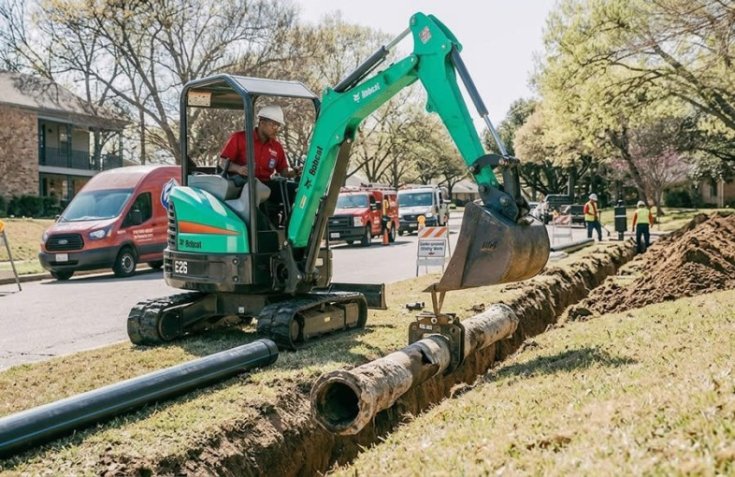
Underground pipes spend decades under pressure, shifting soil, root systems, and corrosive conditions that never…
Read More+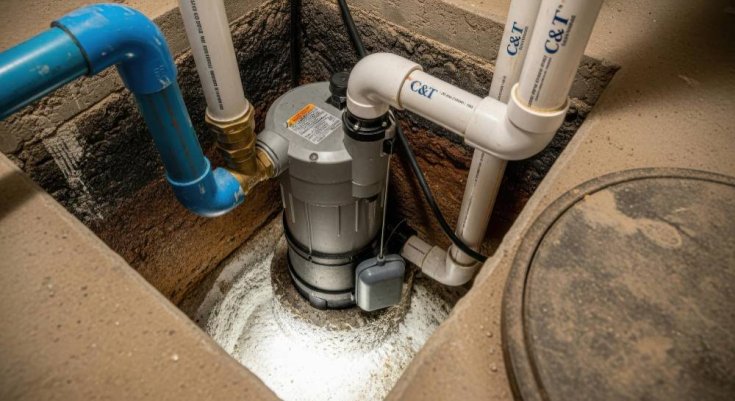
If your basement takes on water after heavy rain, it can quickly lead to mold,…
Read More+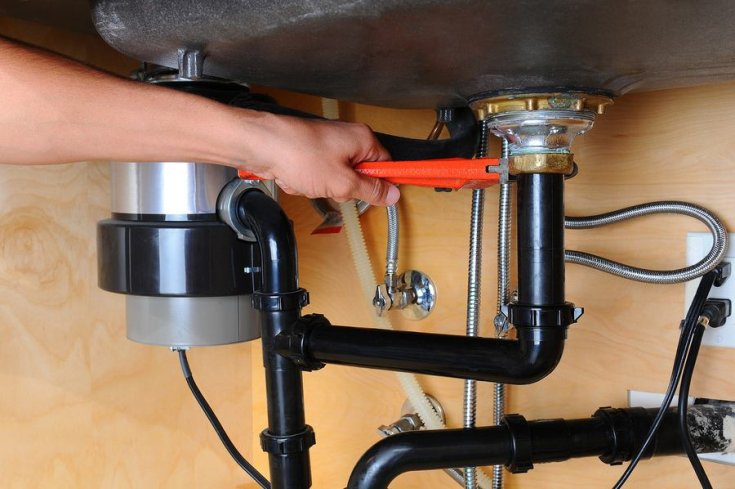
Kitchen cleanup moves faster when everything under the sink is working the way it should.…
Read More+
Pictures and descriptions only go so far, but real results from
Read More+