Menu
Call This Tuesday to Get $50 Off
Do You Need a Plumber in Dallas, TX? Call us Now to Get $50 OFF
4.8 / 5 Ratings based on 1384 reviews Great Plumbers, Great Reviews

Call This Tuesday to Get $50 Off


Basements stay dry because the main sump pump does its job, but some storms push the system harder than expected. A battery backup can save the day, but many homeowners don't think about it until they're dealing with standing water. Mr. Rooter Plumbing is here to show you how a backup pump adds protection when the power goes out or the primary pump refuses to work. Keep reading because the sections ahead explain why this upgrade is so important.
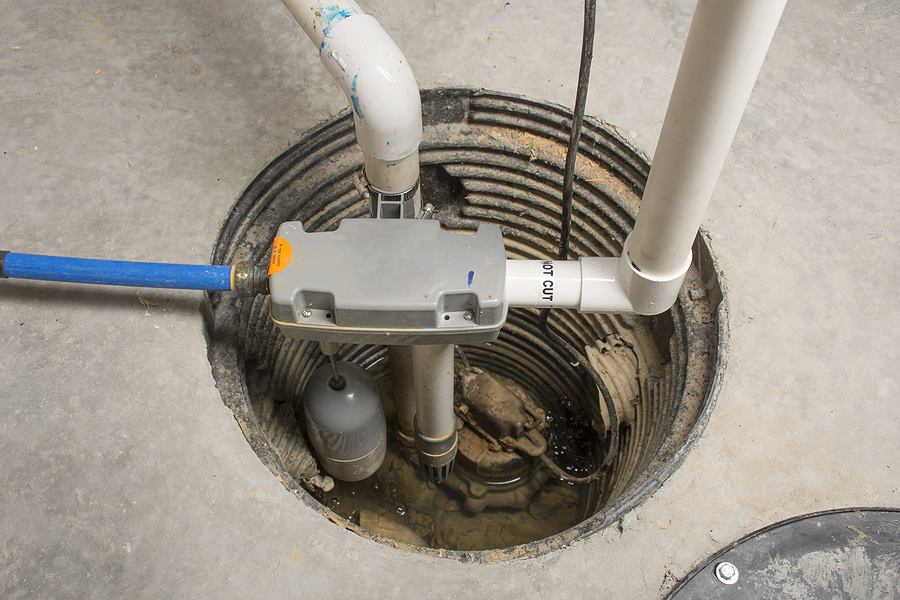
A battery backup pump comes on the second your main pump stops. The house can lose power, or a breaker can trip, or a motor can burn out, but the backup unit waits in the pit with its own power source and pressure switch. It starts moving water without delay and saves your basement from trouble. Homeowners know that storms bring wind, rain, branches on lines, and weak utility grids. Power loss hits right when water levels rise. The backup pump stays on its own circuit and runs long enough to control the flow, which cuts down the risk of flooding in those early minutes when every gallon matters. This setup gives the home another layer of protection, and it helps a family rest easier during long downpours when the lights flicker and the main equipment stops. When a homeowner works with a plumber in Desoto, TX for the right backup system, they get a solution that covers gaps the standard setup can't handle. They also get clear advice about battery size, materials, and run time during the sump pump installation in Sachse, so the system fits the demands of the house. Those details pay off in the long run since basement water damage is expensive and disruptive. A backup system keeps control of the pit so that the home stays dry even in tough conditions.
Heavy rain pushes groundwater toward the foundation. The main pump stays active for long stretches, and that kind of load wears on any motor. A stretch of severe weather can bring sheets of water across the yard, which sends a surge toward the drain tiles. The pit fills over and over again, and the main pump can start to show signs of fatigue. Some pumps get stuck on or off, and some float switches fail under rapid cycles. A battery backup pump gives the primary unit a break and shares the workload. It moves the water that sneaks through when the main pump slows under heavy demand. It also protects against those late-night storms when no one is awake to hear a struggling motor. A reliable setup prevents expensive cleanup work like carpet removal, drywall cuts, fan rentals, and mold treatment. It also protects appliances and stored belongings. Homeowners who commit to proper sump pump installation get better defense during the exact moment the house faces the most pressure from groundwater. When the system works through the entire storm, the rest of the structure stays dry and intact, which is why many families invest in backup protection after they see how hard a major storm hits their property.
The primary pump runs on household power, and it's built for daily use, with a motor that handles the normal flow around the foundation. It uses a float switch connected to the main circuit and depends on a stable electrical supply. The backup battery pump sits beside it and turns on when the water rises past the normal level or when the main pump stops. The backup system has its own charger, control board, and intake. Some setups use a separate discharge line so the two pumps never work against each other. The primary unit does the bulk of the work, and the backup unit comes into play during peak issues. Homeowners who call for a plumbing repair service can get both pumps tested so that each part of the system runs at full capacity. During sump pump installation, a professional looks at the pit size, soil conditions, and discharge layout so the two pumps work well together. A balanced system clears more water and handles longer run cycles. The difference in power sources also lets the backup pump handle emergencies without relying on the same electrical supply that supports the rest of the house.
Any pump that runs nonstop or struggles to keep up during a storm can signal a need for a battery backup unit. Water that stands in the pit for longer than usual means the main pump works at the edge of its capacity. A float switch that sticks or cycles in short bursts also shows that the system might be under stress. Strange sounds in the pit or reduced flow out of the discharge pipe point to more serious issues. Those symptoms indicate problems with the impeller, motor, or check valve. Households that notice frequent breaker trips should have the pump inspected. A plumbing repair service can check electrical loads, switch function, and discharge pressure. Backup protection becomes a smart choice when a pump is more than five years old or when the basement has a history of minor water events. Homeowners with finished spaces should take this step early. A battery backup pump protects flooring, walls, equipment, and stored items. When a homeowner works with a plumber, they get a review of the current layout and any signs of risk around the foundation. They also get recommendations about battery type, charger quality, and monitoring alarms. A complete setup keeps the water level under control even when the main equipment reaches its limits.
A battery backup sump pump protects your basement when the main pump loses power or shuts down. If you want help from a professional, contact Mr. Rooter Plumbing today. Our team offers reliable sump pump installation, repairs, and replacement. Get in touch now to set your appointment.

A garbage disposal leaking from the base has already failed internally, and no…
Read More+
Kitchen drains handle more than most people realize. The buildup from grease, food, and soap…
Read More+
Most homeowners have no framework for recognizing underground gas line damage until conditions have already…
Read More+
Stepping onto a warm patch of floor on a cold morning might seem like a…
Read More+