Menu
Call This Saturday to Get $50 Off
Do You Need a Plumber in Dallas, TX? Call us Now to Get $50 OFF
4.8 / 5 Ratings based on 1384 reviews Great Plumbers, Great Reviews

Call This Saturday to Get $50 Off


Your water heater probably isn't something you think about until it stops working or your energy bills start creeping up for no obvious reason. When it's time for a replacement, you'll likely hear a lot about high-efficiency models and how much money they can save you over the long run. At Mr. Rooter Plumbing, we believe in giving homeowners the full picture so they can make a decision that fits their needs and budget. A high-efficiency water heater sounds great on paper, but what works for one household might not make sense for another. Keep reading to get an honest breakdown of the advantages and drawbacks so you can figure out whether upgrading is a smart investment.
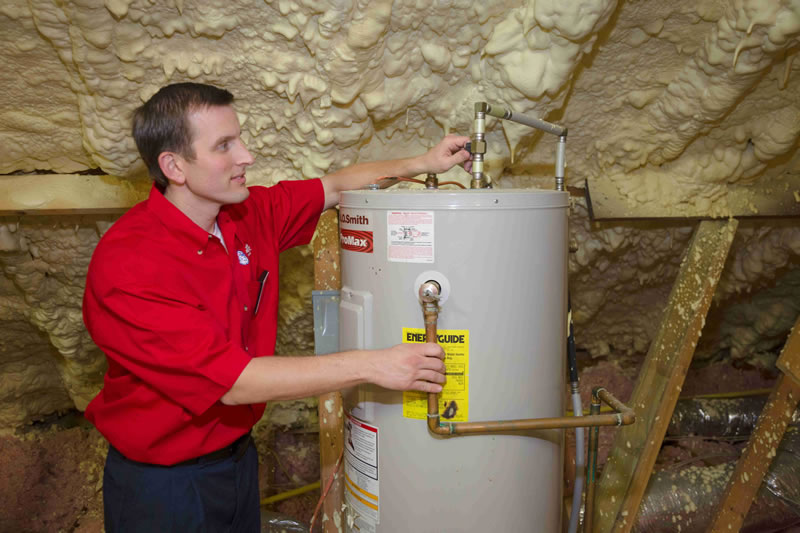
Standard tank water heaters operate on a simple principle where they heat a large volume of water and keep it hot around the clock, whether you're using it or not. High efficiency models take a fundamentally different approach that reduces wasted energy. Tankless units only fire up when you turn on a hot water tap, and heat water on demand rather than maintaining a reservoir. Heat pump water heaters work by pulling warmth from the surrounding air and transferring it to your water. They use much less electricity than traditional electric resistance heating. With condensing gas models, the heat from exhaust gas doesn't just escape through the flue like it would with older systems. Instead, the energy gets captured and recycled back into the heating process. That's how these units hit efficiency ratings of 90 percent or higher. Conventional units typically run in the 60 to 70 percent range. If you've heard that this technology can be finicky, that was true of earlier generations. Engineering has matured a lot over the past decade, and today's systems are far more reliable and accessible. Once you understand how each type works, you'll have a much easier time figuring out which technology matches your household's hot water usage and existing utility setup.
Some homeowners are surprised by the price of their water heater replacement project. A conventional tank water heater runs between $800 and $1,500, depending on capacity and whether you need gas or electric. High-efficiency tankless models start around $2,500 and can climb to $4,500 or more when you factor in installation costs. Heat pump water heaters fall somewhere in between, landing around $2,000 to $3,500 fully installed. The price gap exists for good reasons since these units contain more sophisticated components, require more precise installation, and carry manufacturer price tags that reflect their advanced technology. You'll also want to budget for potential electrical upgrades if you're switching to a heat pump model or gas line modifications for certain tankless systems. Some homeowners qualify for rebates through local utility companies or federal tax credits that can offset a portion of the initial investment, so research available incentives before you commit. A plumber in Allen, TX who works with high-efficiency systems can give you a realistic estimate that accounts for your home's requirements rather than a ballpark figure.
The promise of lower utility bills is the main selling point for high-efficiency water heaters, and the savings are real, though they vary considerably based on your circumstances. So, how much money are you actually going to save? Most high-efficiency models bring water heating costs down by 25 to 50 percent compared to standard units. For an average household, that translates to somewhere around $100 to $300 in savings every year. Larger households with heavy hot water demand reach the break-even point sooner because the monthly savings add up faster. If your hot water usage falls in the low to moderate range, recouping costs takes longer. High efficiency upgrades can also boost your property value, which means you might recover part or even all of your investment when you sell the home. Buyers today pay attention to energy-efficient features, and a modern water heater can make your listing more attractive. Energy prices in your area matter too. Dallas natural gas rates and electricity costs can affect which fuel type delivers better long-term value. Don't just rely on the manufacturer's estimates. Run the numbers for your actual situation so you can see whether the investment pencils out over the realistic lifespan of the equipment.
Just because a water heater is high efficiency doesn't mean it's right for everyone. There are plenty of situations where a conventional unit is actually the smarter choice. Take homeowners who plan to sell within the next few years. You probably won't recoup the extra cost of a premium unit before you move, so a standard model makes more financial sense. The same goes for homes with very low hot water usage. If you're a single occupant or a couple who travels all the time, the monthly savings rarely add up enough to justify the higher purchase price. There's also the issue of older homes. Outdated electrical panels or undersized gas lines may need expensive upgrades before a high-efficiency unit can be installed. That can add thousands of dollars to an already steep price tag. Spending $1,200 on a quality standard water heater beats going into debt for a $4,000 tankless system when your finances are tight. And some homeowners prefer the proven simplicity of tank technology. A plumber in Richardson, TX from our team always recommends looking at your situation honestly.
Deciding between a high-efficiency water heater and a standard model comes down to your budget, how much hot water your household demands, how long you plan to stay in your home, and whether your house meets the installation requirements for newer technology. Thousands of local homeowners have come to us with this exact question, and we always provide honest answers instead of pushing the priciest option on the shelf. When you want water heater replacement advice you can trust, call Mr. Rooter Plumbing to schedule a consultation and get personalized guidance on your next water heater.
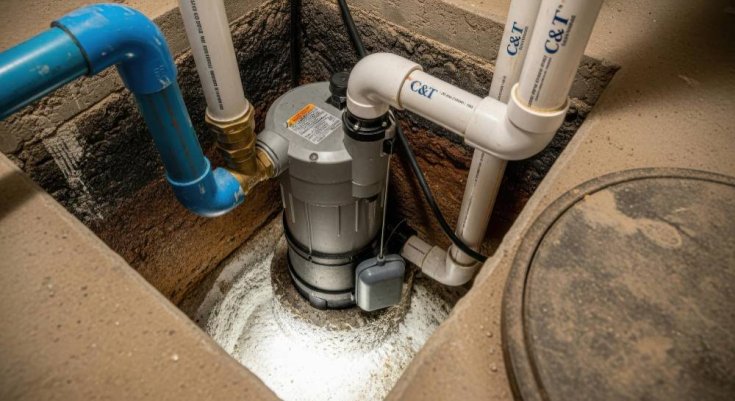
If your basement takes on water after heavy rain, it can quickly lead to mold,…
Read More+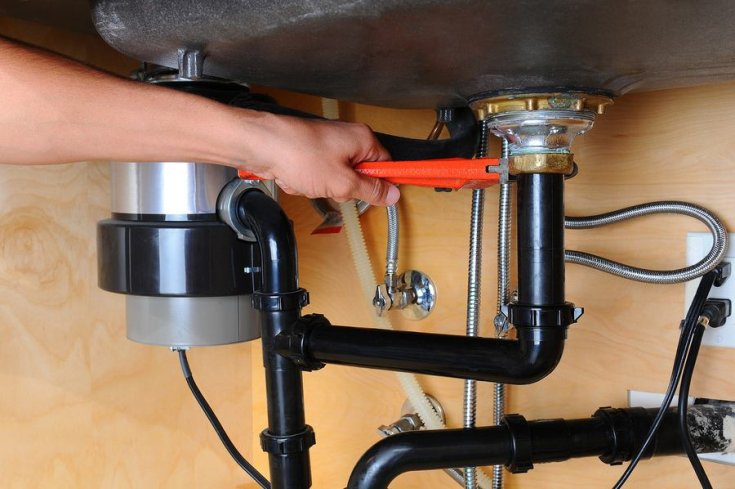
Kitchen cleanup moves faster when everything under the sink is working the way it should.…
Read More+
Pictures and descriptions only go so far, but real results from
Read More+
Pictures and descriptions only go so far, but real results from
Read More+